


 Back
Back This article focuses on the importance of healthy habits for wellbeing. The article provides useful tips and information regarding physical wellbeing, healthy habits and mental health. Included is a podcast about student wellbeing and why looking after yourself is so important during university.
Background
When you start university, you will encounter many new experiences. Some you will enjoy, others you may not. Adapting to a new environment can be challenging to some students. This article focuses on how to build the foundations of emotional balance and mental wellbeing. It will guide you through making a plan to make small changes that can increase your emotional resilience and mental wellbeing.
Also included is a podcast with SETU head of counselling Ann-Marie Quigley interviewed by Megan Tubbritt and Imelda Morrissey, Student Life & Learning
Student Wellbeing Matters ft. AnnMarie Quigley – SETU Podcasts
How could this affect me?
You may be looking forward to living away from home and being independent at university or it may feel like a very challenging task.
Those early weeks at university are likely to bring up many different emotions, both positive and negative. Common challenges can include:
Social aspects
- Uncertainty about mixing in.
- Pressure to socialise
- Not knowing people
- Anxiety around new friendships
- Learning to maybe share accommodation
Sensory considerations
- Other people’s noise, tidiness, hygiene
- Possible environmental triggers to sensory overload – campus, lecture rooms, canteens
Cognitive overload
- Feeling overwhelmed by workload and what is expected
- New experiences and information – can be exhausting
Practical considerations
- Learning to look after yourself
- Advocating for yourself
- Managing your finances
- Using public transport
- Disruption of routines and changing timetables
- Learning your way around a new city or campus
- Finding classrooms
- Managing deadlines
- Working in groups/ doing presentations
What to do next?
Prepare ahead of time
Practical tips
To meet the challenges we face in life, we need to keep our bodies and minds healthy.
Physical Illness
Check in with the campus nurse at the SETU medical centre
- Find out where the medical centre is located.
- Write down what you need to say before you visit- if that helps you.
Balanced eating
It is a good idea to plan ahead for how you will ensure you have a balanced diet while you are at university. Start with healthy habits and avoid too many easy canteen options. If living away from home practise beforehand cooking some of the meals that you know you enjoy. Healthy Eating for College Students on a Budget – INDI
Responsible alcohol use
Many people can use alcohol to try and reduce the feelings of anxiety, especially when socialising. In the short term, these can appear to reduce the anxiety/distress. However, in the longer term it creates increased distress and anxiety.
Think about what you are comfortable drinking and learn the signs that you need to stop drinking on that evening. Drinks Calculator – Tools and Resources | Drinkaware
Balanced sleep
Autism can make getting a good night’s sleep more difficult. Research has shown that many different factors contribute to this, including irregular sleep-wake cycles (circadian rhythms), physical health issues.
All of these factors can mean that it takes longer to fall asleep, and the depth and quality of sleep is lower than average. Being constantly tired can make course work more difficult. It is important to eat a good diet and take regular exercise.
Exercise
We all know that we should exercise regularly but sometimes it can be very hard to do, especially if you are feeling low or anxious.
Exercise can release endorphins which are good for the body and mind
It also can,
- reduced anxiety and improved mood
- helping to clear the head and think more clearly
- try some breathing exercises (see below pop out image)
Questions to think about
Think about trying a new exercise or breathing technique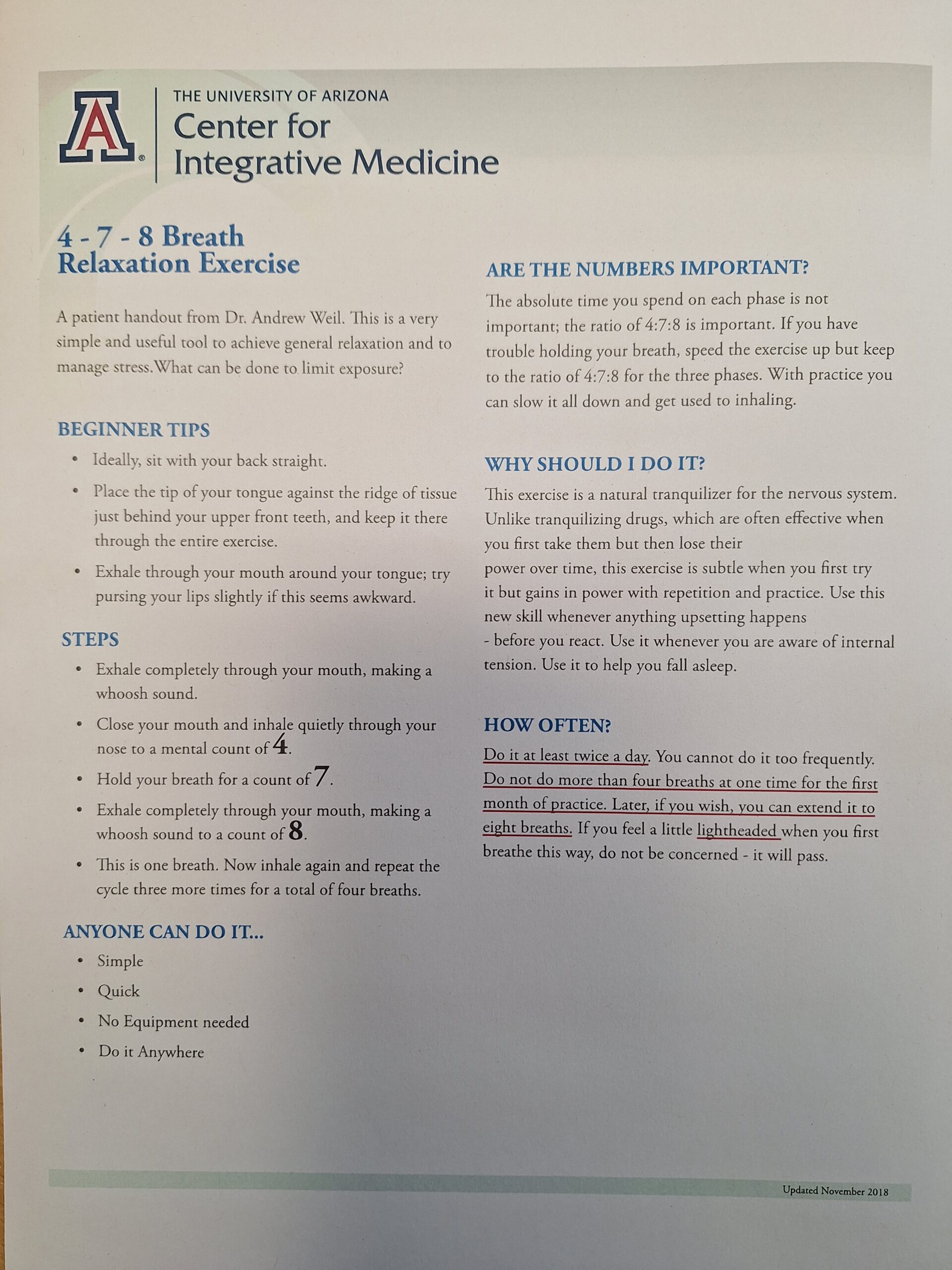 click on image
Additional information
Sleep
-
Consistent bedtime routines with predictable activities (e.g., music, warm shower).
-
Sleep hygiene adjustments, limiting screen time, reducing evening stimulation,
-
and using blue light blockers.
Mental Health
Always reach out to someone if you need any support, you are not alone. Lots of students avail of our services all the time. The team is here to listen and support you. There are always options.
Make an appointment to meet with an SETU counsellor SETU | Counselling Services Waterford Campus